Soil Preparation and Composting
Build nutrient-rich soil and create your own compost system for thriving vegetables
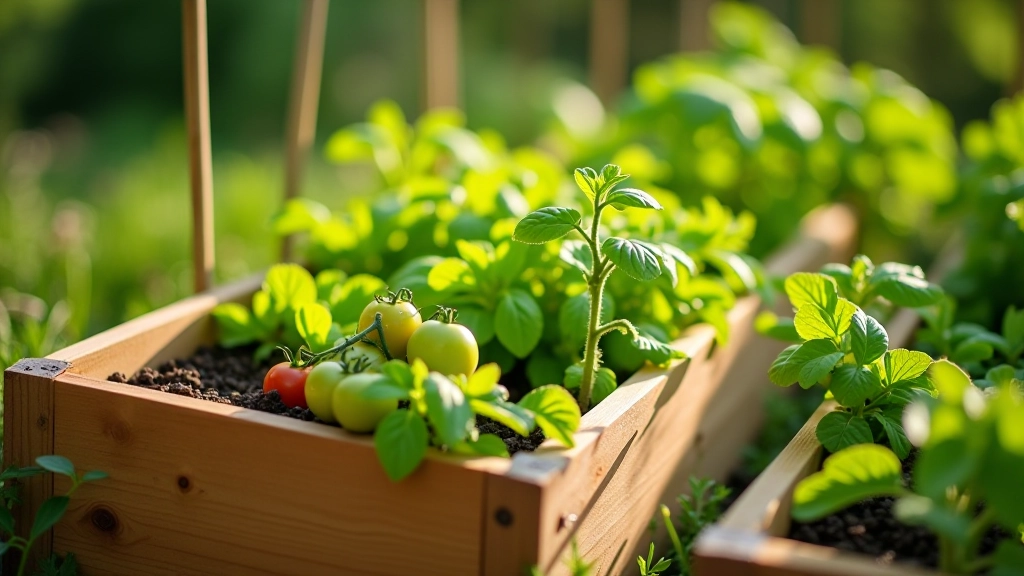
Good soil doesn't just happen. Whether you're starting a raised bed or joining a community plot in Alytus, what's under your plants matters more than anything else. We're going to show you how to build soil that actually works — and how to make your own compost so you're not buying bags every season.
Understanding Your Soil
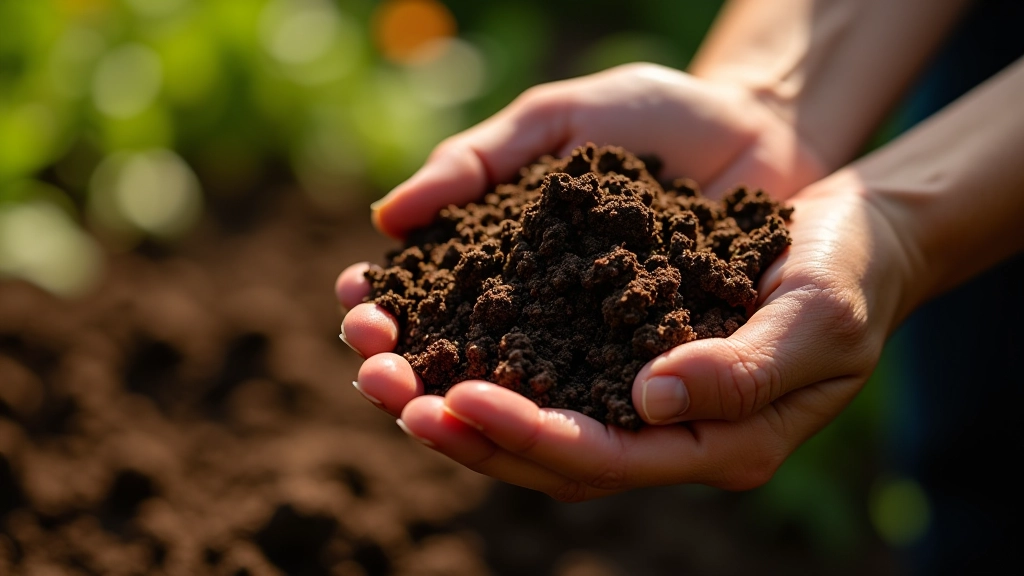
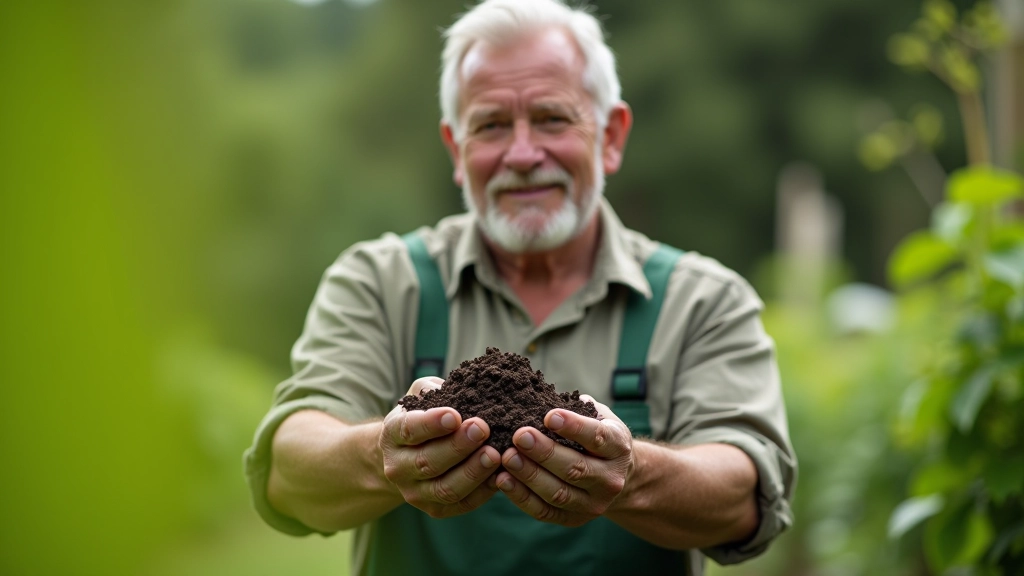
Before you add anything, you need to know what you're working with. Soil isn't just dirt — it's a living ecosystem. Your garden soil contains minerals, organic matter, water, and billions of microorganisms. All of those things matter.
The best garden soil has structure. It drains well but holds moisture. It's dark and crumbly. If you've got heavy clay or sandy soil (both common around Alytus), you'll need to improve it with organic matter. That's where compost comes in.
Test your soil first. Most community gardens have guidelines, and you can send samples to local agricultural centers. You'll learn your pH level, nutrient content, and texture. It takes a few weeks but it's worth knowing what you're starting with.
About This Guide
This article provides educational information about soil preparation and composting techniques. Specific practices may vary depending on your local climate, soil conditions, and community garden regulations. Always check with your community garden or local agricultural extension office for guidelines specific to your area.
Building Better Soil
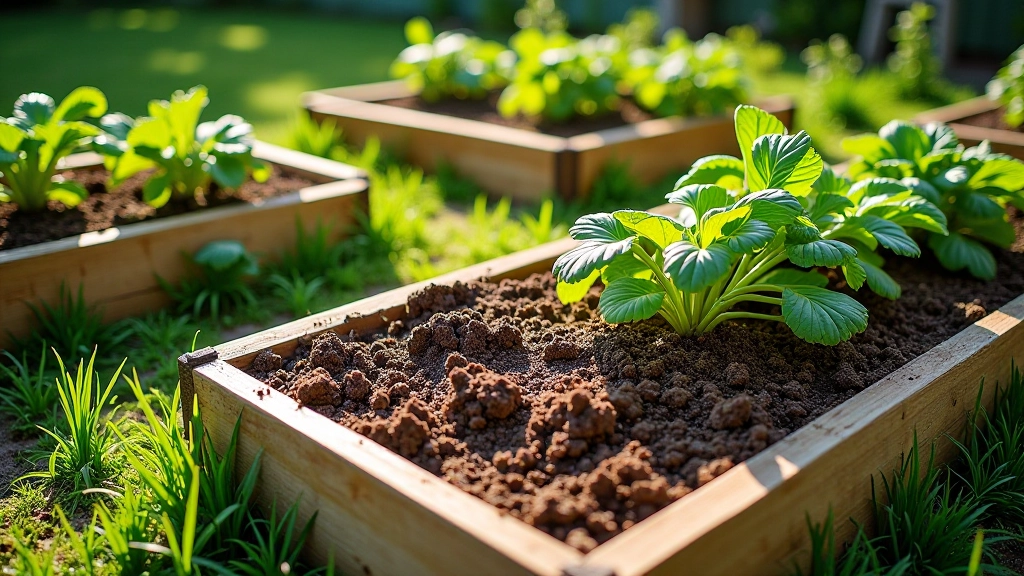
You can't change your soil overnight, but you can improve it steadily. The main thing is adding organic matter — compost, aged manure, peat moss, or shredded leaves. Most gardeners aim to add about 2-3 inches of compost to their beds each season.
1
Remove weeds and debris from your bed
2
Loosen existing soil 8-10 inches deep with a fork
3
Spread 2-3 inches of compost on top
4
Mix compost into the top 6 inches of soil
For clay soil, you might need more compost initially. Sandy soil needs lots of organic matter to hold water and nutrients. Either way, compost fixes both problems because it improves structure.
Making Your Own Compost
You don't need fancy equipment to make compost. Start with a simple pile or bin. Most community gardens have composting systems you can use — that's one of the benefits of joining. If you're making compost at home, it's actually pretty straightforward.
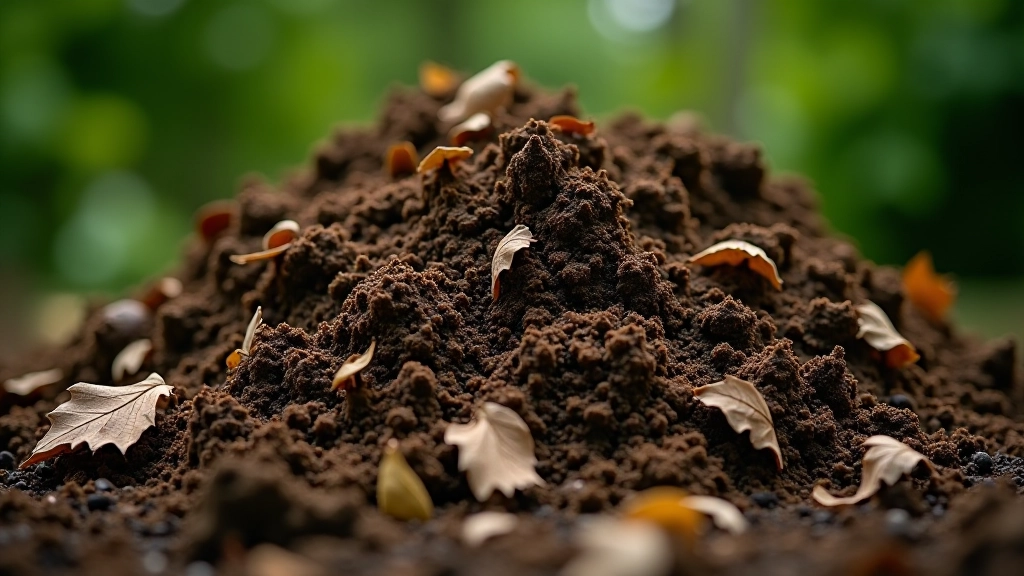
The basic recipe: Mix "browns" (dry leaves, straw, cardboard, wood chips) with "greens" (grass clippings, food scraps, plant trimmings). Aim for roughly 3 parts brown to 1 part green by volume.
Turn your pile every 2-3 weeks if you want finished compost in 2-3 months. If you just leave it alone, you'll get usable compost in 6-12 months. Either way works. The pile should feel like a wrung-out sponge — moist but not soggy.
What to Compost (and What Not To)
Safe to Compost
- Vegetable scraps and peels
- Fruit waste and peels
- Coffee grounds and tea bags
- Crushed eggshells
- Grass clippings (untreated)
- Leaves and plant trimmings
- Straw and hay
- Shredded paper and cardboard
Avoid These
- Meat, fish, or bones
- Dairy products
- Oils or fats
- Pet waste
- Diseased plants
- Weeds with seeds
- Treated wood or sawdust
- Glossy or colored paper
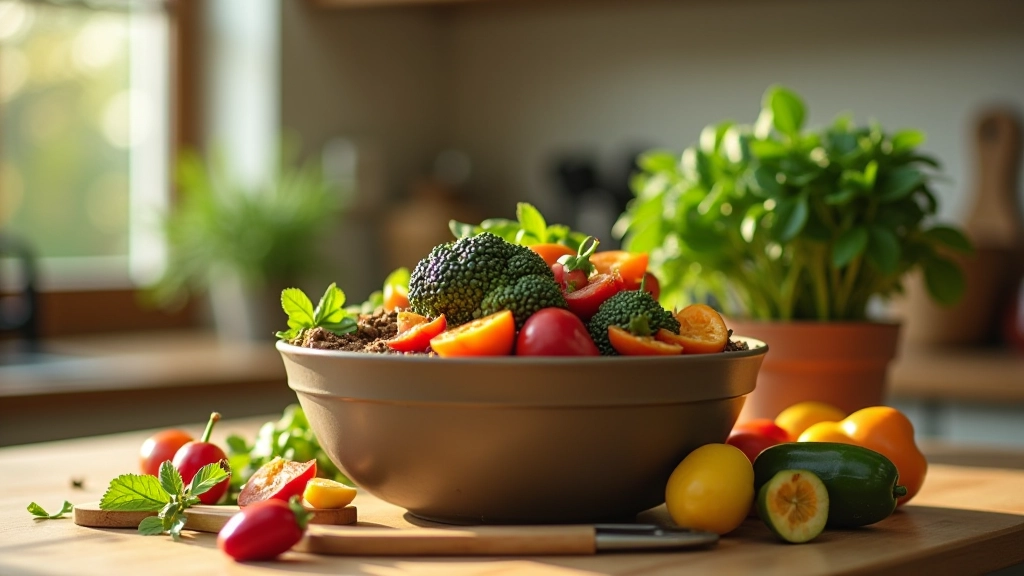
The rule is simple: if it came from plants, it probably belongs in your compost. If it's meat, dairy, or oil, skip it. Those things attract pests and slow decomposition.

Getting Started With Your Soil
The difference between struggling plants and thriving ones usually comes down to soil. You don't need to be a scientist about it. Test your soil if you can, add compost every season, and keep adding organic matter. Your plants will respond.
Start composting now if you're not already. Even a small bin or pile gives you free fertilizer. By next spring, you'll have finished compost ready for your beds. That's how experienced gardeners build soil over time — one season at a time, one load of compost at a time.
Join the community gardens in Alytus if you haven't yet. You'll learn from other gardeners, share resources, and discover that good soil is something every successful gardener has in common.