
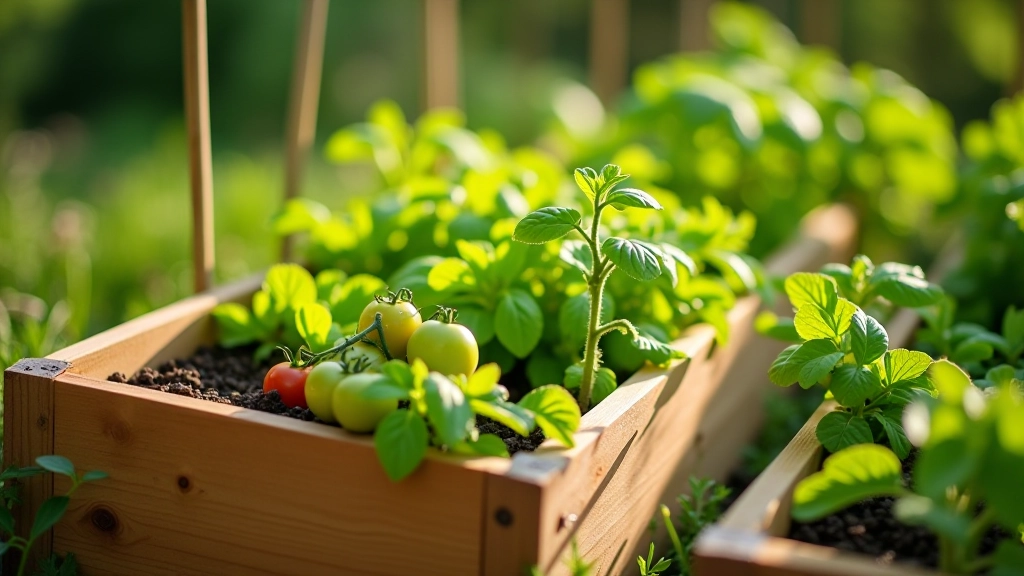
Seasonal Planting Calendar for Alytus
Master the rhythm of Alytus gardening with this complete seasonal guide. Learn when to plant, what thrives in each season, and how to maximize your harvest year-round.
Why Timing Matters in Alytus
Alytus sits in a unique climate zone where spring arrives later than southern Lithuania, but summer heat is intense and growing seasons compress. You can't just follow generic planting guides—timing here is everything. Plant too early and frost kills your seedlings. Wait too long and you'll miss peak growing conditions.
We've spent years working with local gardeners to map out what actually works in this region. This calendar isn't theory. It's based on real growing experience, soil conditions, and weather patterns specific to Alytus. You'll know exactly when to get your hands in the soil.
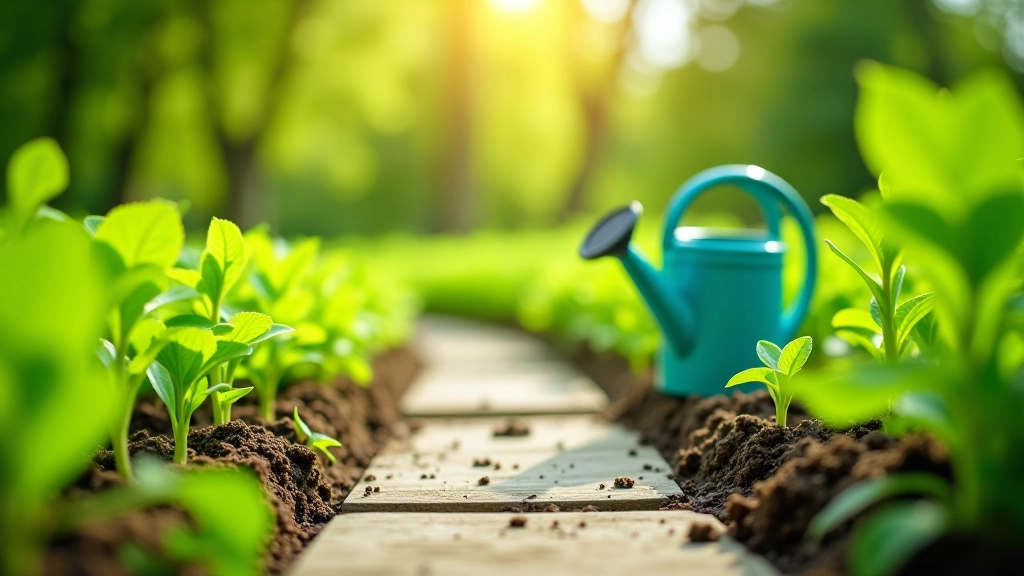
Spring: April to Early May
Spring in Alytus is unpredictable. Last frost typically arrives around May 10th, sometimes as late as May 20th. This means you've got a narrow window for outdoor planting, but it's the most exciting time in the garden.
What to Plant
- Cold-hardy crops indoors: onions, leeks, cabbage (late March)
- Direct sow in soil: peas, spinach, lettuce (early April)
- Root vegetables: beets, radishes, carrots (mid-April)
- Potatoes: plant by late April for summer harvest
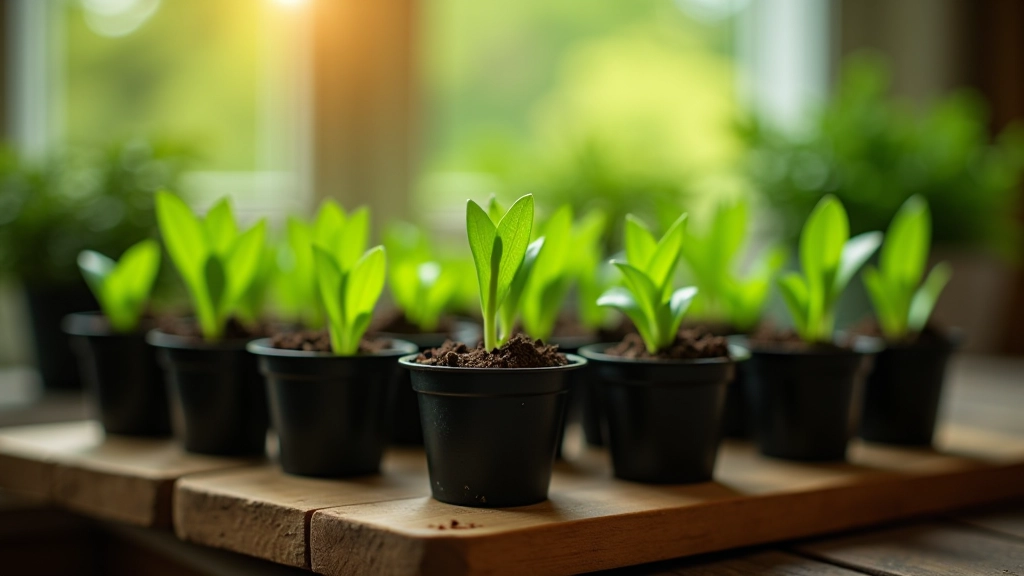
- Warm-season seedlings indoors: tomatoes, peppers, eggplant (early April for May transplant)
Pro tip: Start tomato and pepper seeds in early April under grow lights. They'll be ready for transplanting after May 20th when frost danger passes. Don't rush it—one unexpected frost and you've lost weeks of growth.
Growing Conditions Vary
This calendar provides guidance for the Alytus region based on average climate data and soil conditions. Individual gardens, microclimates, and specific soil types may require adjustments. Always observe your own garden's conditions and adjust planting times accordingly. For specific recommendations about your plot, consult with local gardening experts or your community garden coordinator.
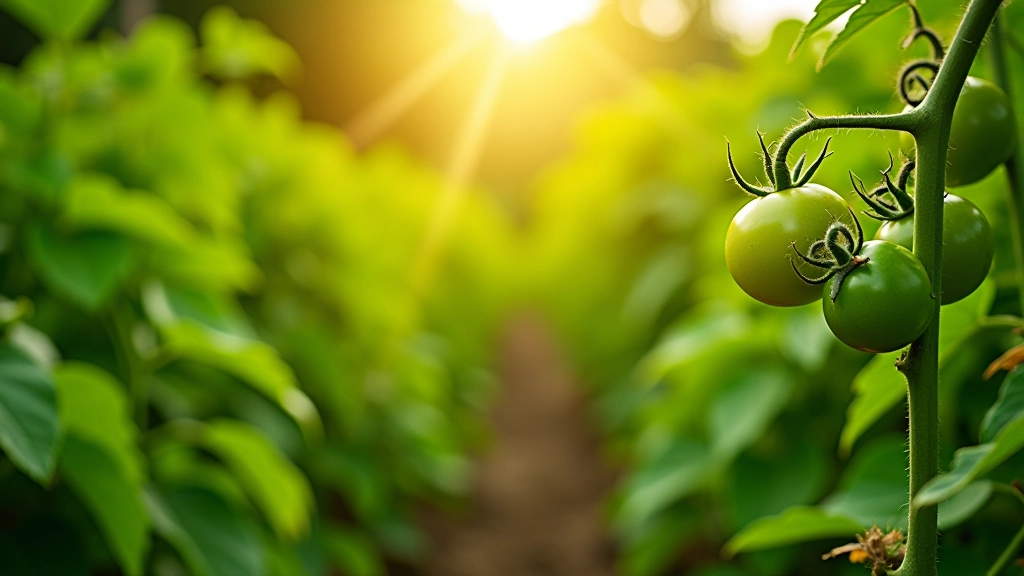
Summer: June to August
Summer is when your garden explodes with growth. Temperatures climb, day length extends, and everything thrives—if you keep up with watering. This is peak harvest season but also peak maintenance season.
June Planting Tasks
- Transplant warm-season seedlings (tomatoes, peppers, eggplant) by June 1st
- Direct sow beans, squash, zucchini, cucumbers
- Plant basil and other heat-loving herbs
- Succession plant lettuce in shaded areas for summer salads
Water deeply 2-3 times per week. Summer heat dries soil fast. Morning watering is best—it reduces disease pressure and lets water soak deep before afternoon heat.
Autumn: September to October
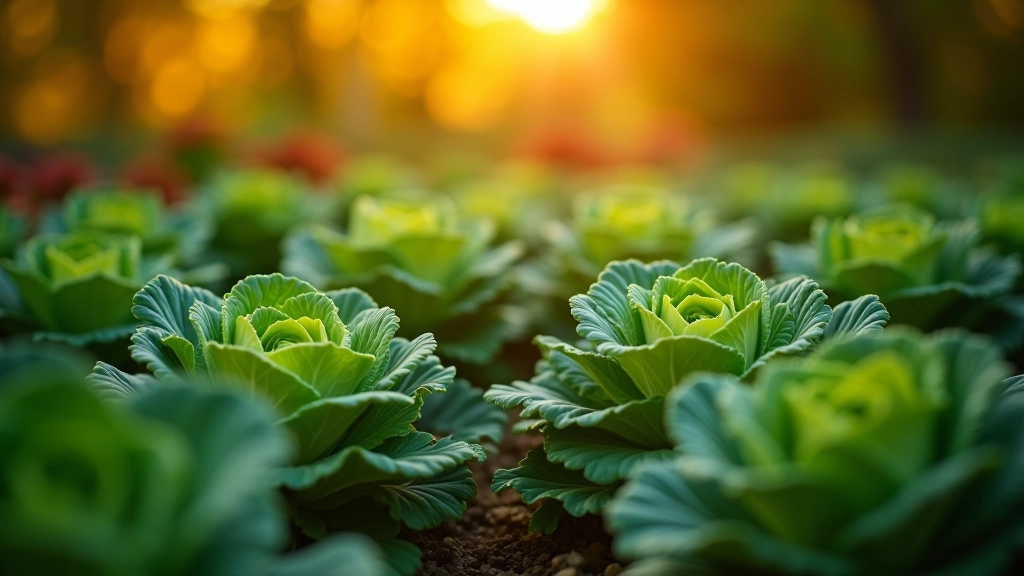
Autumn is your second planting season. Days cool down, frost danger approaches, but you've got 6-8 weeks of growing time left. This is when you plant crops that actually prefer cooler weather.
Late Season Crops
- Direct sow spinach, lettuce, arugula (early September)
- Plant brassicas: kale, broccoli, cabbage (late August transplants)
- Succession plant radishes and turnips
- Plant garlic cloves for spring harvest (late September through October)
- Green manure crops: cover seeds for soil improvement
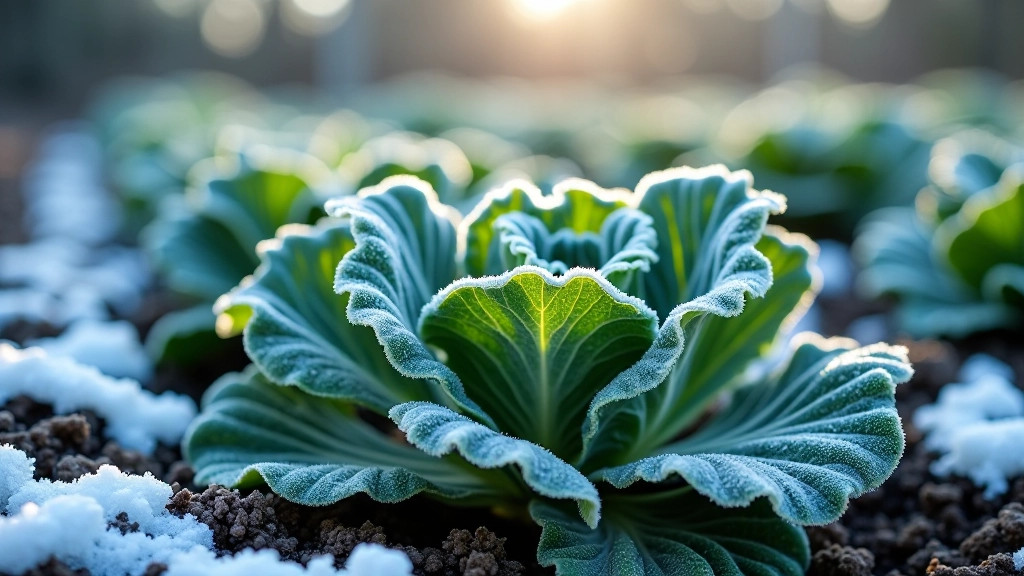
By early October, cover your beds with frost cloth on cold nights. This extends your growing season by 2-3 weeks and lets you harvest well into November.
Winter: November to March
Winter in Alytus means hard frost and frozen soil from December through February. Your garden isn't dormant though—it's resting and building soil fertility. This is planning and preparation season.
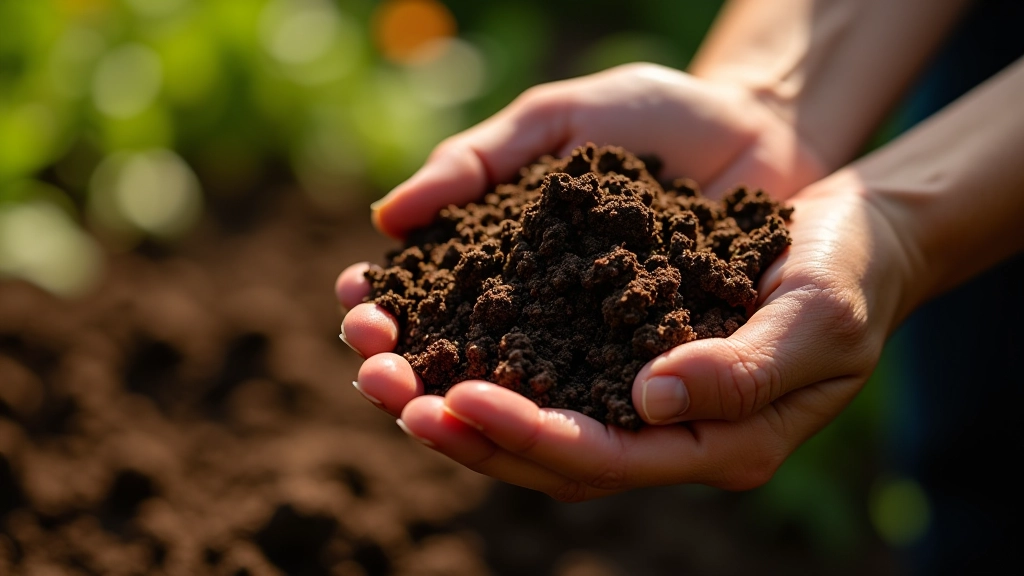
November: Harvest remaining crops, mulch beds heavily (8-10cm), plant garlic if not done yet, add compost to beds for winter breakdown.
December-February: Plan next year's garden layout, order seeds, maintain cold frames for winter greens, monitor for pest damage, ensure adequate drainage to prevent waterlogging.
Late February/Early March: Start earliest seeds indoors (onions, leeks, cabbages) under grow lights. Weather's still cold but growth preparation begins.

Related Articles
Get Growing
This calendar is your foundation, but every garden is unique. Keep notes on what works in your specific plot. Track frost dates, observe which crops thrive and which struggle. Over time, you'll develop an intuition for Alytus gardening that no calendar can teach.
The beauty of seasonal planting is that it aligns you with nature's rhythm. You're not fighting the climate—you're working with it. Spring crops, summer abundance, autumn harvests, winter rest. It's a cycle that's worked for generations and it'll work for you too.