
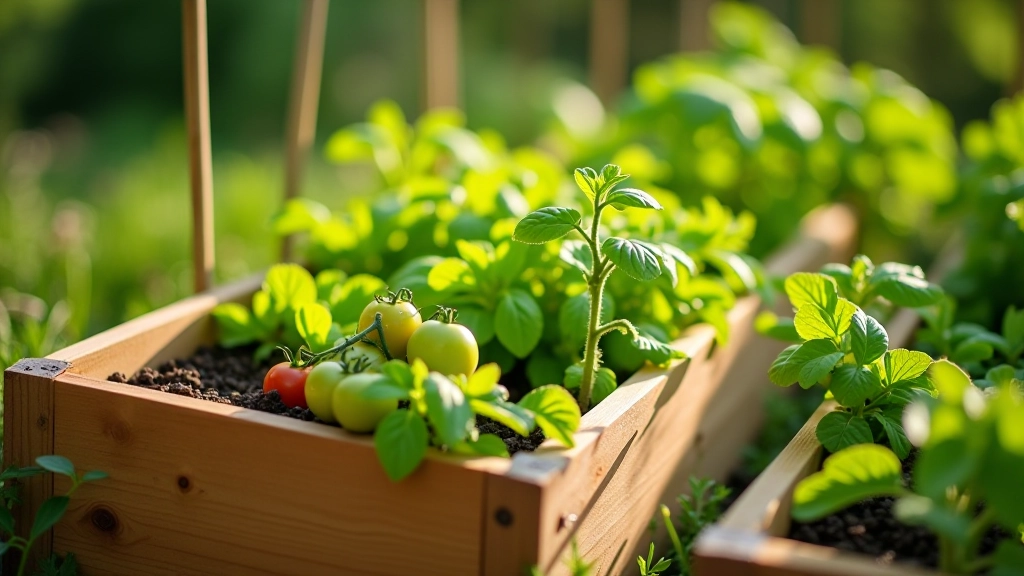
Joining a Community Garden Plot
Everything you need to know about finding, securing, and starting your first community garden plot in Alytus
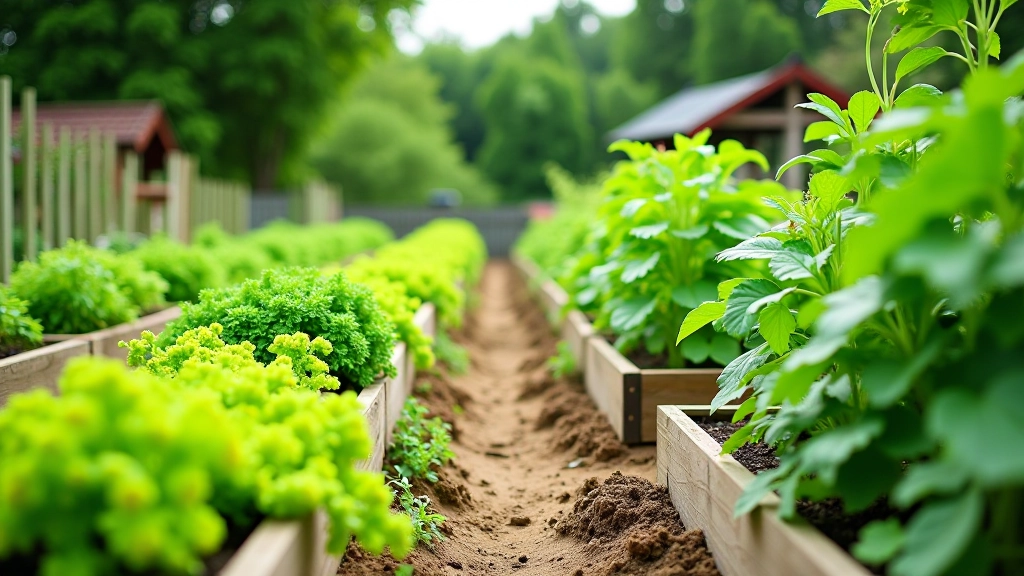
Community gardens have transformed neighborhoods across Alytus. They're not just about growing vegetables — they're about building connections with neighbors, learning new skills, and accessing fresh produce right in your community. If you've been thinking about joining one, you're in the right place.
Getting started is simpler than you might think. Most community gardens in Alytus follow straightforward processes for welcoming new members. We'll walk you through finding a plot, understanding the requirements, and preparing for your first growing season.
Finding Available Plots Near You
Alytus has several active community gardens, and new plots become available throughout the year. Your first step is identifying which gardens are accepting new members.
Check with the Alytus Municipal Environmental Department — they maintain a list of all registered community gardens and their contact information. Most gardens have waiting lists during peak seasons (March through May), so it's worth getting on them early. You can also walk around your neighborhood. Community gardens are pretty obvious once you start looking for them — you'll see the organized beds, fencing, and often a community bulletin board at the entrance.
Connect with local gardening groups on social media too. These communities share information about plot availability, upcoming workdays, and specific garden requirements. Word-of-mouth is still one of the best ways to find opportunities, especially smaller neighborhood gardens that aren't heavily publicized.
Understanding the Requirements
Different gardens have different rules, but there are common expectations you'll encounter. Most require a one-time registration fee — typically between €5 and €15 depending on the garden — plus an annual membership fee ranging from €10 to €30. This covers water access, maintenance of common areas, and tools that gardeners share.
You'll likely need to sign a community agreement. Don't let that intimidate you. These aren't complicated legal documents. They're basically saying you'll follow good gardening practices, keep your plot tidy, not use certain chemicals, and participate in at least one community workday per season. Most agreements ask for 4-6 hours of volunteer work annually — could be helping with spring bed preparation, path maintenance, or harvest organization.
There's usually a plot assignment process. If demand is high, gardens might use a lottery system or give priority to long-time residents. Once you're assigned, expect your plot to be roughly 20-30 square meters — enough space for a serious vegetable garden without being overwhelming for beginners.
Important Note
Community garden requirements and fees vary significantly by location and specific garden organization. The information provided here reflects typical practices in Alytus-area gardens but isn't universal. Always contact your specific garden directly to confirm current fees, policies, and availability. Garden management can change seasonally, and some gardens may have additional requirements or alternative fee structures.
Getting Your Plot Ready
Once you've secured a plot, there's work to do before planting season. If you're joining in spring (March or April), you might inherit a bed that's been dormant or poorly maintained. Don't panic. This is actually an opportunity to start fresh with good foundations.
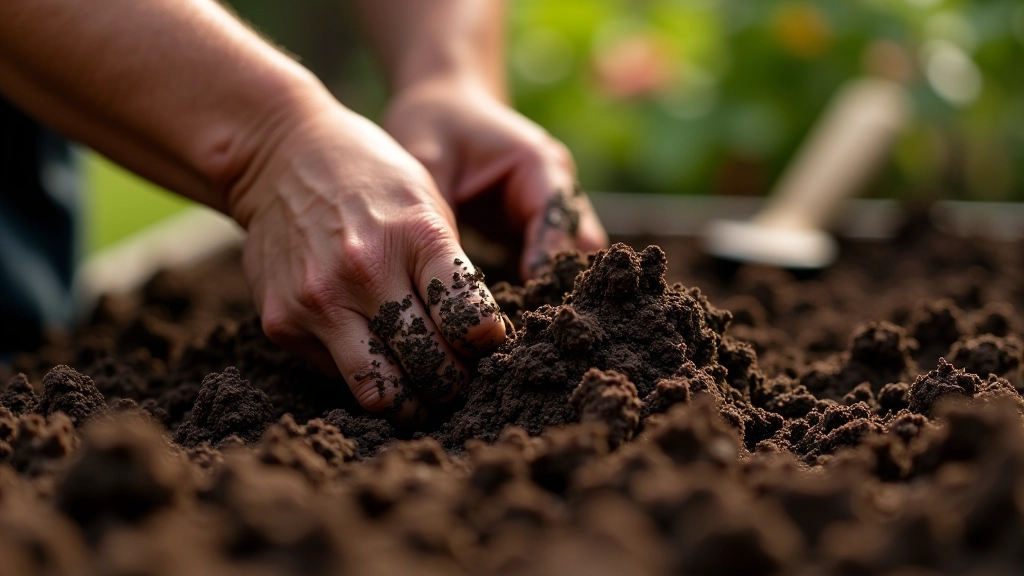
Most community gardens provide basic soil, but many gardeners improve it. Plan to spend a weekend adding compost — about 5-10 centimeters worked into the top layer. You can source compost from the garden's shared pile if they have one, or buy it from local suppliers. Add some aged manure too if you're working with poor soil. The investment now pays off all season.
Check what tools are available communally. Many gardens have shared equipment — spades, forks, rakes, hoses — stored in a shed. You won't need to buy everything yourself. Still, it's worth having your own hand tools: a trowel, cultivator, and gloves. These are personal and easier to keep track of than borrowed equipment.
The Community Aspect
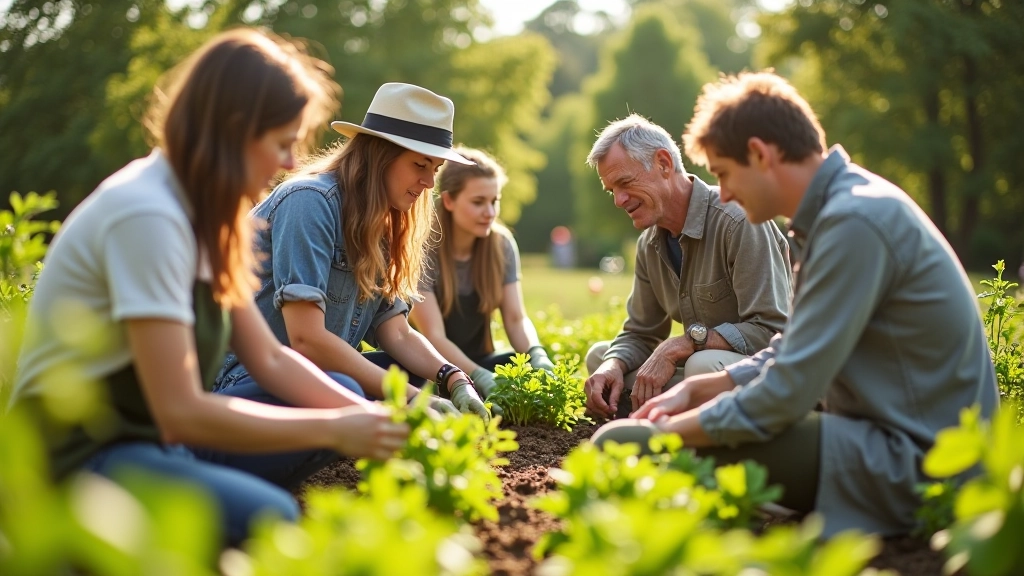
Here's what makes community gardens special — they're genuinely social spaces. You'll learn techniques from experienced gardeners who've been doing this for years. Someone's probably grown exactly what you want to grow and will happily share their approach.
Most gardens organize regular gatherings. Spring prep days get everyone ready together. Summer evenings often have informal hangouts where people water their plots and chat. Fall brings harvest celebrations and shared meals. These aren't mandatory, but they're where the real community happens.
Don't show up expecting to work alone. There's an unspoken culture of helping each other. If you see a neighbor's plot looking dry, you might water it while they're away. If someone's struggling with pests, others offer solutions. It's reciprocal — you'll receive the same support when you need it. That's what makes these gardens valuable beyond just the vegetables.
Your First Growing Season
Start conservative with your plant selection. Don't fill the entire plot your first year. Choose 3-4 vegetables you actually eat and want to learn about. Tomatoes, lettuce, beans, and zucchini are reliable starters that don't demand constant attention.
Visit your plot regularly — ideally every few days during growing season. This isn't a burden; it's actually the best part. You'll notice changes quickly. Plants grow visibly week to week. You'll spot pests early before they become problems. Regular presence keeps your plot healthy and gives you genuine connection to what you're growing.
Keep notes. Simple observations — planting dates, first flowers, harvest dates — become invaluable reference material. Next year, you'll know exactly when to plant based on your notes, not guesses. Over several seasons, these notes become your personal growing guide for Alytus specifically.

Your Garden Awaits
Joining a community garden plot is one of those decisions that feels bigger than it is. Yes, there's paperwork and fees and expectations. But what you're really getting is access to something increasingly rare — a place where you're growing food with your hands, learning from neighbors, and becoming part of something genuinely useful.
The gardens in Alytus are waiting for people like you. They've got plots available, experienced gardeners ready to help, and a real community built around growing things. Start by contacting your nearest garden. Ask questions. Visit a workday and see what it's like. You'll know pretty quickly if it's right for you.
Most people who join a community garden can't imagine not having one now. They'll tell you it changed something. The vegetables taste better when you grew them yourself. The neighbors become actual friends. The small act of planting a seed and watching it grow feels genuinely meaningful. That's what's waiting for you.